
 Image 1 of 1
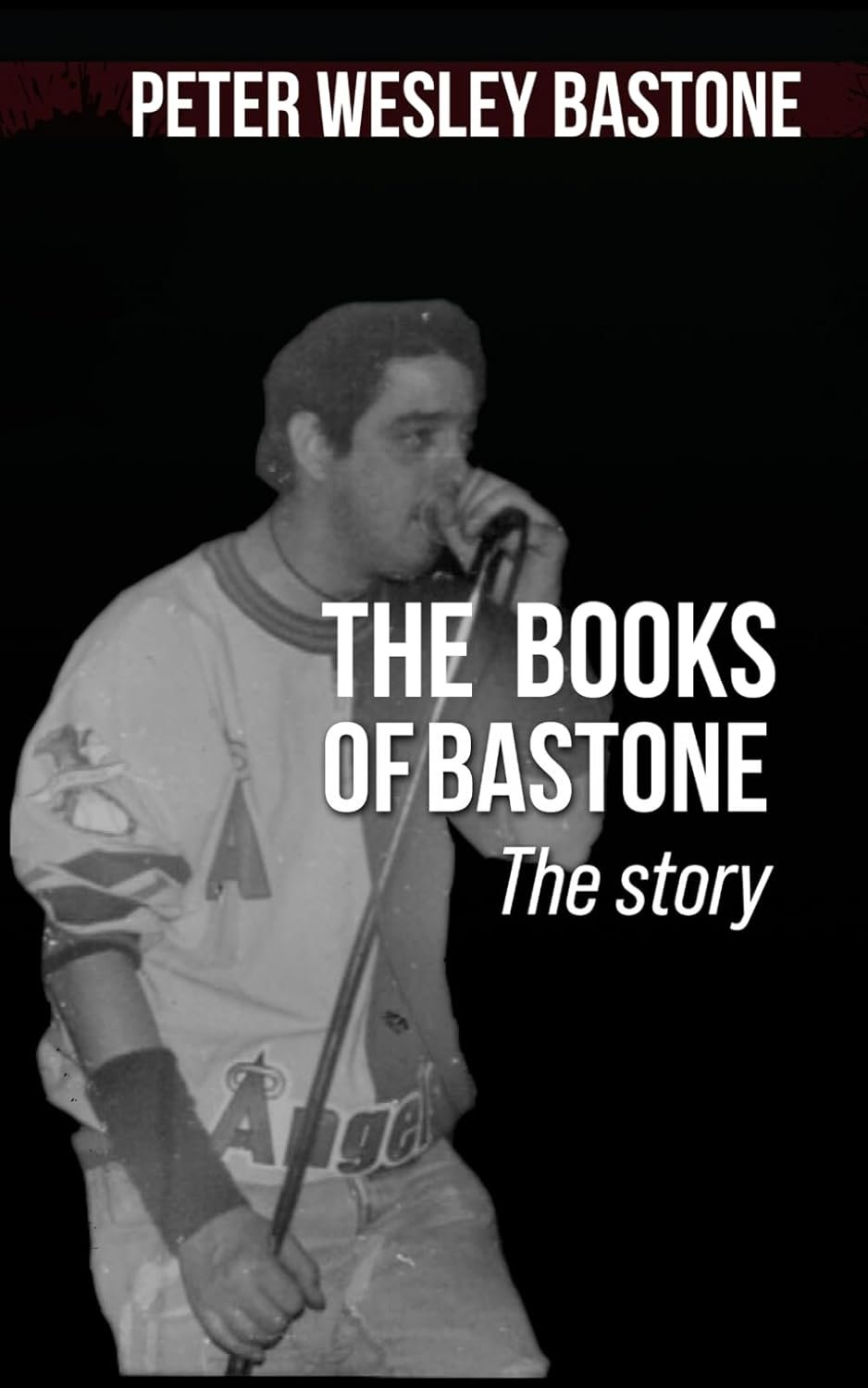
Back in late 80s Los Angeles, the music scene was in a strange in-between phase. Hair metal was fading out, grunge had not fully arrived yet, and everything felt like it was about to change. Right in the middle of that, Peter Wesley Bastone was not chasing trends. He was doing his own thing.
Through his project Grènpètr, Bastone created space for music that was more thoughtful, more experimental, and honestly a bit unconventional. It was never about fitting into the industry. It was about making something real. By 1990, Music Connection Magazine named the group one of the “Best Unsigned Bands,” but even then it was clear he was not aiming for the standard label path.
The De-Evolution Connection
In 1991, things took a major turn when Bob Mothersbaugh, co-founder and guitarist of Devo, joined Grènpètr. That was not just a cool collaboration. It was real respect from someone who helped shape an entire era of music.
And it made sense. They shared the same mindset. Neither of them cared about sanding things down to fit expectations. They cared about pushing boundaries and keeping the work honest.
The Studio and the Screen
Bastone’s work was not limited to his own projects. He had a hand in different parts of the industry:
He worked at the live sound mixing desk with bands like the Red Hot Chili Peppers, helping manage their raw, high-energy sound.
He operated within major label circles including Warner Bros., PolyGram, and IRS Records, working alongside people like Craig Kostich.
He also got into media early, co-hosting The Media Factory and later founding the Netshows Collective. It became a platform for independent artists who did not fit the mainstream. Even names like The Bangles and Giorgio Moroder took notice.
Still Doing It His Way
Today, Bastone is still active through Netshows Radio, constantly searching for artists who actually have something to say instead of chasing trends.
That has always been the through line. He is not interested in perfect. He is interested in real. The rough edges, the individuality, and the human side of the work have always mattered most to him.
Also available on Amazon:
https://www.amazon.com/Books-Bastone-STORY-Peter-Wesley/dp/B0GWS473V7/ref=tmm_pap_swatch_0
Back in late 80s Los Angeles, the music scene was in a strange in-between phase. Hair metal was fading out, grunge had not fully arrived yet, and everything felt like it was about to change. Right in the middle of that, Peter Wesley Bastone was not chasing trends. He was doing his own thing.
Through his project Grènpètr, Bastone created space for music that was more thoughtful, more experimental, and honestly a bit unconventional. It was never about fitting into the industry. It was about making something real. By 1990, Music Connection Magazine named the group one of the “Best Unsigned Bands,” but even then it was clear he was not aiming for the standard label path.
The De-Evolution Connection
In 1991, things took a major turn when Bob Mothersbaugh, co-founder and guitarist of Devo, joined Grènpètr. That was not just a cool collaboration. It was real respect from someone who helped shape an entire era of music.
And it made sense. They shared the same mindset. Neither of them cared about sanding things down to fit expectations. They cared about pushing boundaries and keeping the work honest.
The Studio and the Screen
Bastone’s work was not limited to his own projects. He had a hand in different parts of the industry:
He worked at the live sound mixing desk with bands like the Red Hot Chili Peppers, helping manage their raw, high-energy sound.
He operated within major label circles including Warner Bros., PolyGram, and IRS Records, working alongside people like Craig Kostich.
He also got into media early, co-hosting The Media Factory and later founding the Netshows Collective. It became a platform for independent artists who did not fit the mainstream. Even names like The Bangles and Giorgio Moroder took notice.
Still Doing It His Way
Today, Bastone is still active through Netshows Radio, constantly searching for artists who actually have something to say instead of chasing trends.
That has always been the through line. He is not interested in perfect. He is interested in real. The rough edges, the individuality, and the human side of the work have always mattered most to him.
Also available on Amazon:
https://www.amazon.com/Books-Bastone-STORY-Peter-Wesley/dp/B0GWS473V7/ref=tmm_pap_swatch_0